
Masterpieces & Meaning: A Journey Through Fine Art Collecting

The Guild of Fake Artworks
Imagine spending millions on a piece of art, only to find it’s a well-executed fake. Sadly, this isn’t as uncommon as one might hope. The art world is no stranger to counterfeits, with some estimates suggesting that over half of all artworks in circulation could be inauthentic. What makes the situation more intriguing is the elite groups who deliberately trade in these fakes.
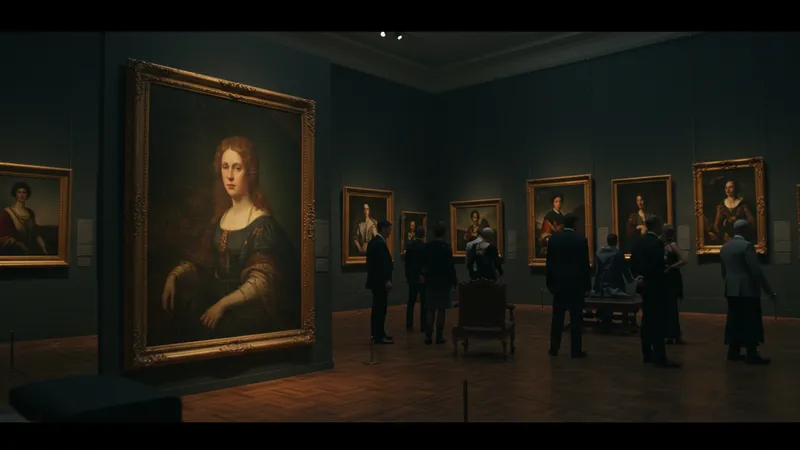
Becoming deviously adept at their craft, these forgers have fooled even top experts and seasoned collectors, thanks to painstaking methods that replicate aging processes and precise artistic techniques. This deception isn’t just a simple con—it’s an elaborate dance that involves art, science, and psychology. What happens when a forgery fetches millions at auction?
Exposing forgeries involves more than just examination under a microscope. Sleek new technologies are developed specifically to verify authenticity, from materials analysis to digital databases of artist signatures. These tools are invaluable for art collectors who wish to ensure their investments are legitimate, but there’s another side to this story…
Some collectors are intrigued by the forgeries themselves, considering them artificial art forms worthy of recognition. It’s a stark departure from traditional views, giving rise to an underground appreciation. Collectors now dabble in this gray area of ‘acceptable forgery,’ challenging the notion of what makes art valuable.