
Masterpieces & Meaning: A Journey Through Fine Art Collecting

The Unseen Power of Provenance
Provenance, the history of ownership of a piece of art, can significantly influence its value. Collectors in the know understand that a well-documented history can add zeros to an artwork’s price tag. This isn’t just a matter of paperwork; it’s a riveting plunge into art’s historical journey.
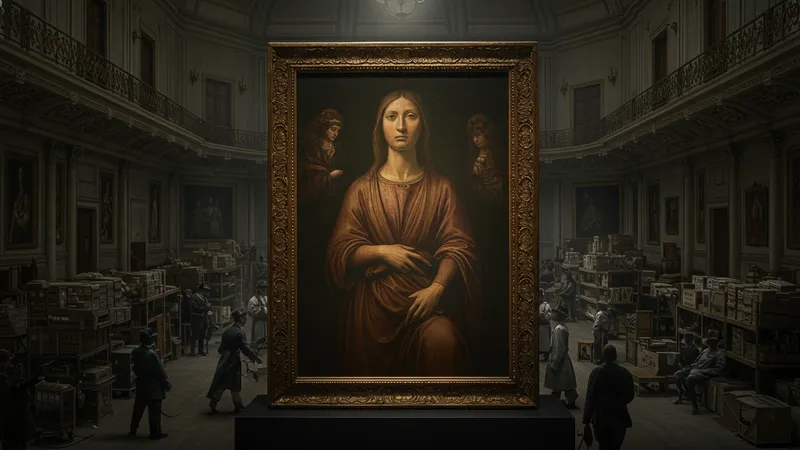
Take the Leonardo da Vinci’s “Salvator Mundi,” for example. Its travel through various hands, from nobility to lost warehouses, adds an aura of mystique. Pieces with an intriguing backstory are more likely to fetch high prices at auction, as collectors are often as invested in the story as in the art itself.
Yet, the path to authenticating provenance can be a winding road. Fraudulent documents have previously led to inflated prices or fraudulent sales, so it’s crucial to have agreements verified by experts. This meticulous process ensures legitimacy and boosts confidence in a purchase.
Many art collectors narrate how their discoveries unravel the grand stories locked within the pieces they acquire. When a work’s provenance is discovered to be shared with legendary owners, its mystique—and therefore financial worth—increases. There’s more than meets the eye in the provenance of a masterpiece.